
From methane measurement to reconciliation: EUMR and OGMP 2.0 compliance

The future of methane compliance is measurement-based Methane emissions monitoring is moving from estimates towards measurements. For oil and gas operators, the EU Methane Regulation (EUMR) and reporting frameworks such as OGMP 2.0 are driving this shift. Estimates are no longer enough. Operators need reliable emissions data showing how much is emitted, where it originates, […]
Turn emissions data into operational intelligence with Explicit’s API

Emissions monitoring is becoming progressively data-driven. But measuring emissions is only one part of the challenge. The real value comes from what happens after the measurements are completed. For operators managing large, complex assets, emissions data needs to be transparent, actionable, and comparable. Static reports can document what was measured, but they can make it […]
5 ways Explicit’s Emissions Lab (E-Lab) streamlines emissions monitoring

Accurate emissions monitoring demands more than just measurement technology. It demands a structured, end-to-end workflow that connects every stakeholder, from pilot to client. That is exactly what Explicit’s Emissions Lab (E-Lab) is built to deliver. The E-Lab is an integrated proprietary software platform, designed to support pilots, emissions analysts, and clients throughout the survey lifecycle: […]
Emissions in 3D: Explicit’s data visualisation capability

At Explicit, we are committed to delivering actionable data that helps our clients make informed decisions. One of our newest developments is the support for 3D visualisations of emissions data. By working closely with clients’ digital teams, we provide measurement data in meta formats that integrate seamlessly into their existing 3D site models. Better insights […]
5 best practices for emissions monitoring: The Explicit approach
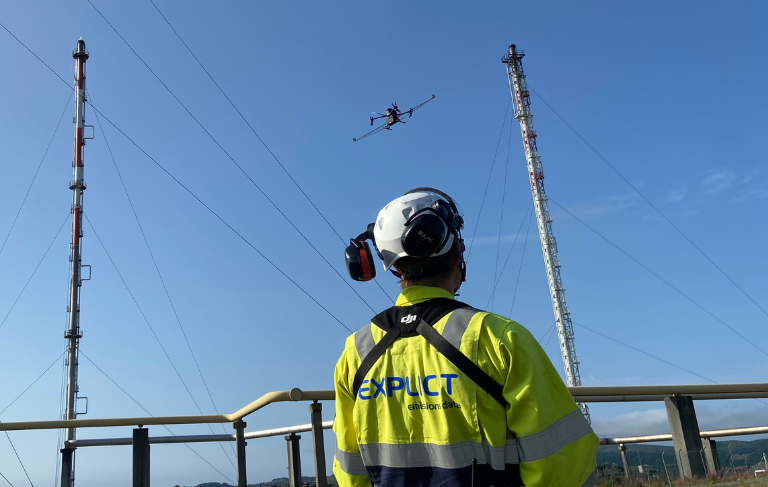
The world is on a mission to reduce greenhouse gas emissions for a more sustainable future. However, the success of these efforts relies on the ability to credibly measure such emissions. As the famous mathematician Lord Kelvin said, “If you cannot measure it, you cannot improve it.” Without reliable data, we cannot assess the true […]
5 questions to ask before selecting an OGMP 2.0 site survey vendor
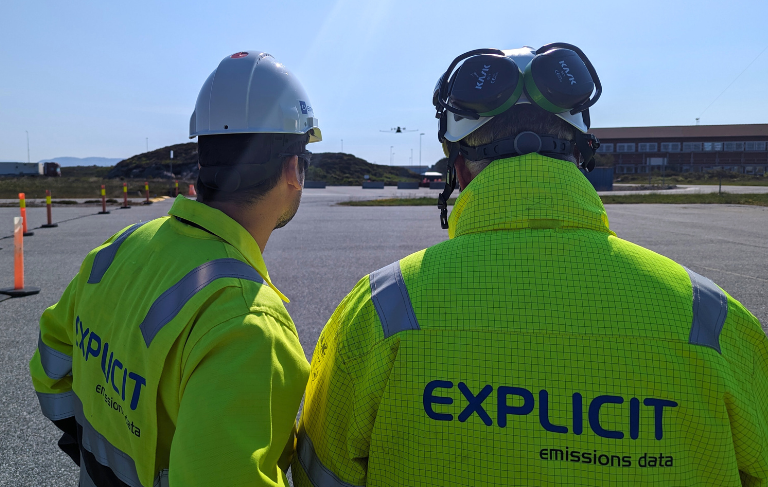
Selecting the right vendor for an OGMP 2.0 (Level 5) site survey isn’t just about ticking a box; it’s about ensuring you get accurate and actionable emissions data. At Explicit, we’ve learned that the difference between a smooth survey and a frustrating one often comes down to the questions asked before work begins. Here are […]
Closing gaps in climate data: advancing N₂O measurement with DFM
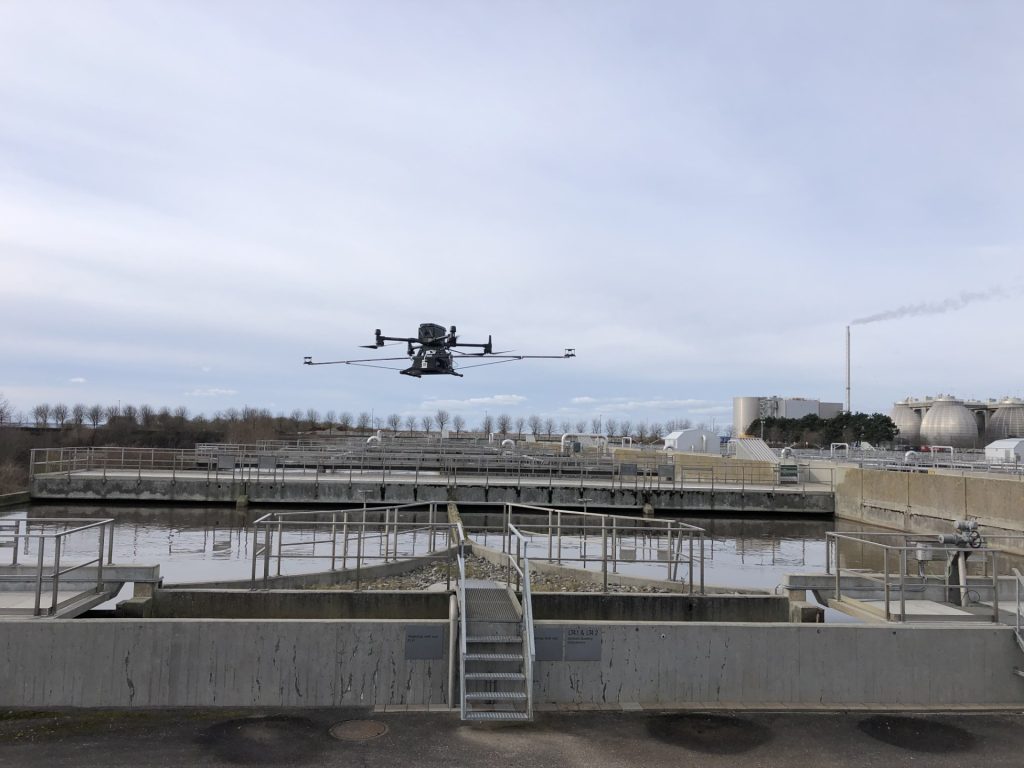
Working on AWAIRE as part of my Master’s thesis made this project especially meaningful to me. Led by Explicit, the project focused on developing and field-testing the DFM method for measuring nitrous oxide (N₂O) emissions from wastewater treatment plants. Over a period of two years, we took the DFM-N₂O method from a conceptual idea to […]
Why you should care about destruction and removal efficiency (DRE)
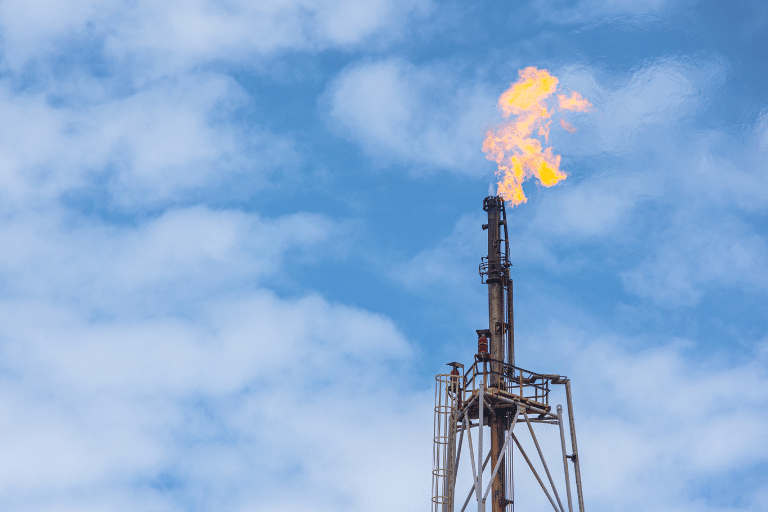
At Explicit, we work with operators around the world to help them better understand and optimise their flare operations through accurate, data-driven measurement of destruction and removal efficiency (DRE). DRE is the ability of a flare system to convert or destroy hydrocarbon emissions through combustion. It is a key indicator of how effectively climate-damaging gases […]
Why probability of detection doesn’t belong in methane emissions quantification
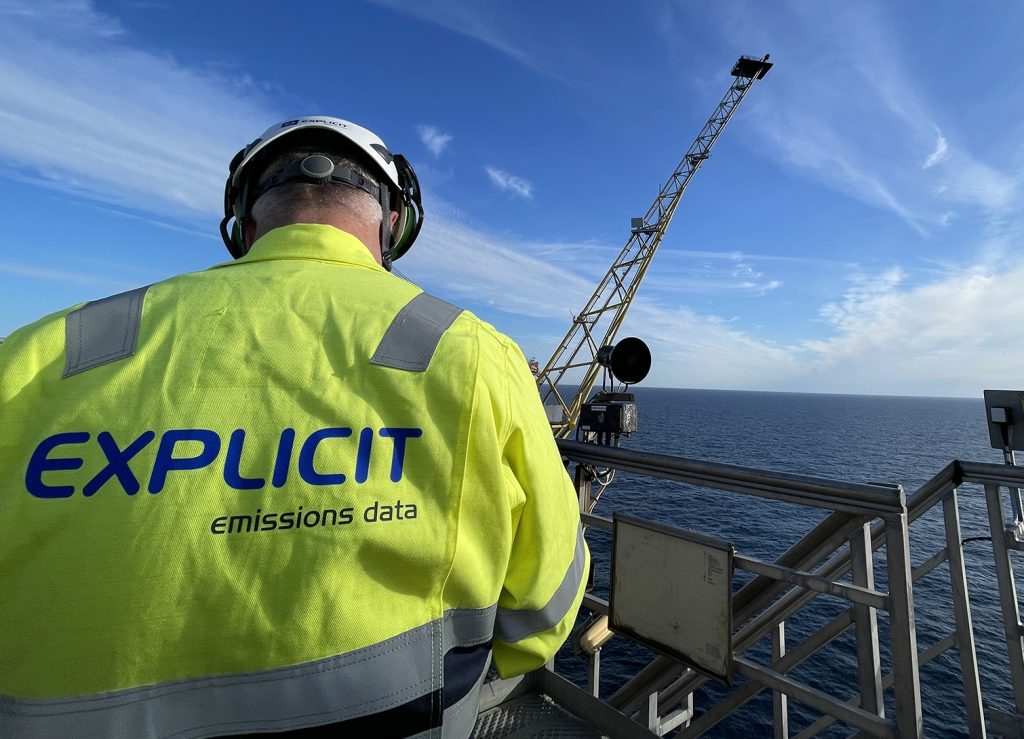
In the world of fugitive leak detection, probability of detection (POD) is a popular metric. It tells us how likely an individual sensor or network of sensors is to detect a gas signal in a given scenario and is very helpful for leak detection and repair (LDAR) programmes. But when it comes to quantifying methane […]
An overlooked challenge in methane emissions monitoring: background concentration isn’t just background

Methane emissions monitoring is evolving rapidly, with drone-based surveys providing more accurate and reliable solutions than ever before. However, one critical challenge remains: How do we correctly account for background methane concentrations in the atmosphere? And how do we subtract them correctly in the reported emission rate? At Explicit, we’ve spent over a decade conducting […]